Bonus Offers & Free Spins: The First Ten Minutes, the First Hour, the First Week
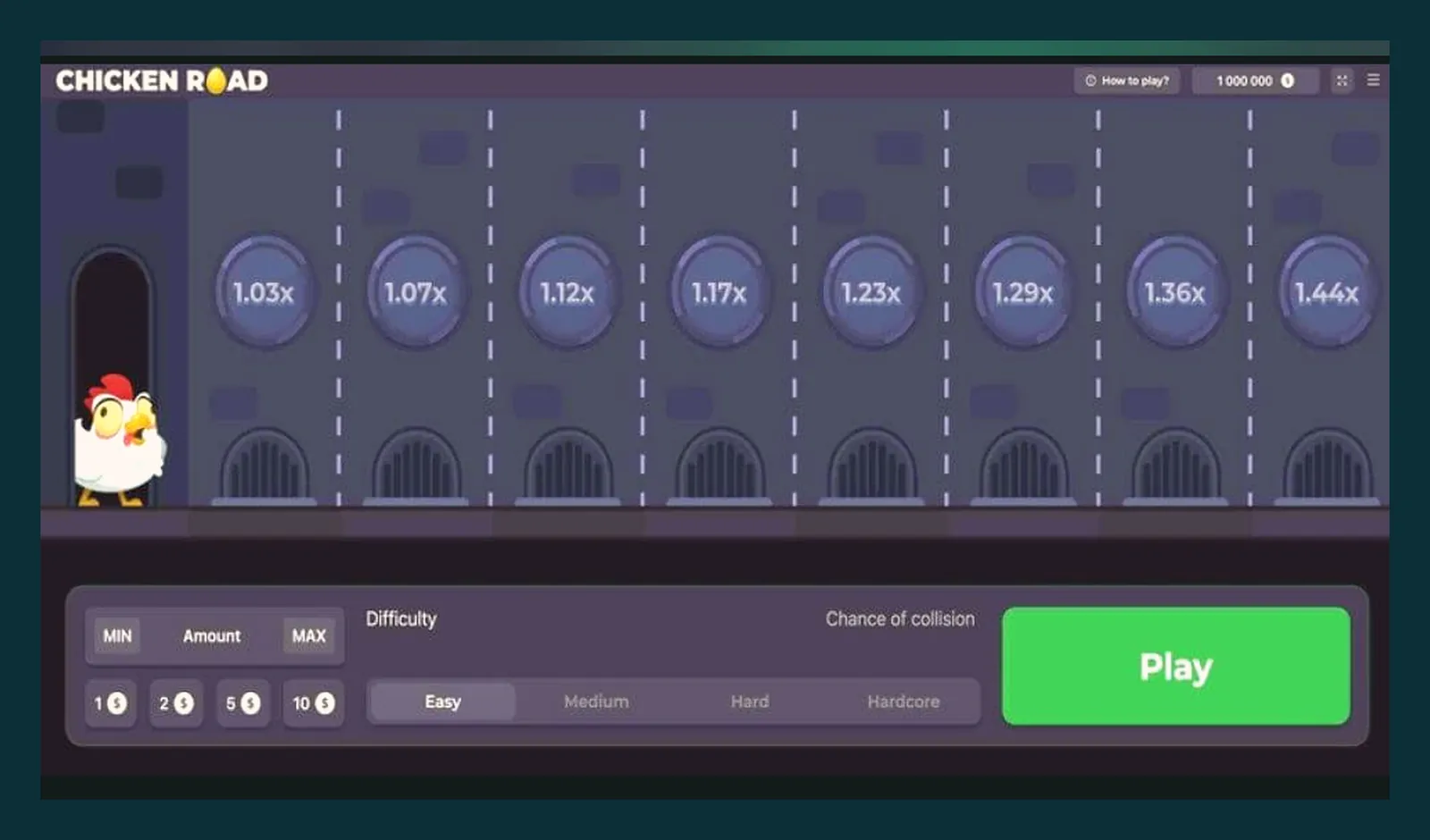
You open the bonus page, scroll past four welcome offers, and land on one: «Deposit £20.00, get 50 free spins». You tap the button. The site asks for a debit card—credit cards have been banned for gambling in the UK since 2020—and your money arrives in seconds through Faster Payments. The spins unlock immediately. You tap the first one, the road fills with chickens, you cash out at 3.20×, and the balance ticks up by £0.00. The winnings sit in a separate bonus pot, greyed out, with a wagering bar underneath: £0.80 of £600.00 cleared.
That first discrepancy—between what the reel paid and what the balance shows—defines the next hour, the next evening, sometimes the next week. This page walks through which bonus types exist on UKGC-licensed sites, what each format means in practice for a game like Chicken Road 2, and the single condition in every offer that trips players up.
The Four Formats You'll See on UK Sites
Every operator licensed by the UK Gambling Commission structures bonuses around four core templates. The wording changes, the percentages shift, but the mechanics stay consistent.
- Deposit match: you put in £20.00, the site adds £20.00 or £40.00 or another multiple; you wager the bonus amount—or bonus plus deposit—before you can withdraw.
- Free spins: a fixed number of spins at a set stake, usually £0.10 or £0.20 per spin; winnings go into a bonus pot with wagering attached.
- Cashback: a percentage of net losses returned as bonus funds over a set period—24 hours, a week—again with wagering.
- No-wagering bonuses: rare; the bonus or winnings are immediately withdrawable, but the amounts are smaller and max-win caps tighter.
Chicken Road 2 pairs best with deposit matches and free spins because the game lets you choose your own volatility. A 200% match on £10.00 gives you £30.00 to play with; you can grind low multipliers at £0.50 a round or swing for 50× at £2.00. Free spins lock you into the provider's preset stake, which makes the variance less flexible but the cost predictable.
Example Offers from the Market (January 2026)
The table below lists real structures from UKGC-licensed operators. Terms change weekly; always check the site's promotions page and footer for the current UKGC licence number before you deposit.
| Brand (Example) | Type | Amount | Spins | Min Deposit | Wagering | Max Win | |
|---|---|---|---|---|---|---|---|
| Site A | Match | 100% | — | £10.00 | 35× bonus | £500 | → |
| Site B | Match | 200% | — | £10.00 | 40× (b+d) | £250 | → |
| Site C | Spins | — | 50 @ £0.10 | £20.00 | 30× winnings | £100 | → |
| Site D | Spins | — | 100 @ £0.20 | £10.00 | 50× winnings | £50 | → |
| Site E | Match + Spins | 50% | 20 @ £0.10 | £20.00 | 35× bonus | £300 | → |
| Site F | Cashback | 10% | — | — | 5× cashback | £200 | → |
| Site G | No-wager spins | — | 10 @ £0.50 | £50.00 | 0× | £25 | → |
| Site H | Match | 150% | — | £15.00 | 45× bonus | £400 | → |
The First Ten Minutes: Unlocking and Tracking
You deposit £20.00, claim the 100% match, and the bonus account shows £20.00 locked. The first round costs £1.00. You clear three tiles, cash out at 2.10×, and win £2.10. The main balance stays flat; the bonus balance ticks to £20.00 with £2.10 of £700.00 wagered underneath. That £700.00 is 35× the £20.00 bonus.
The site counts every stake, not every win. A £5.00 round that pays £0.00 still contributes £5.00 to the bar. A £5.00 round that pays £50.00 contributes the same £5.00. UKGC rules cap stakes at £5.00 per spin for players 25 and older, and £2.00 for those aged 18–24, so the maximum single contribution is capped by age and regulation. If you're 23 and trying to clear a £1,000 wager at £2.00 per round, you need 500 rounds minimum.
Most UK sites display the wagering bar in the account dropdown or a dedicated «Bonuses» tab. Some show a percentage; others show £X of £Y. If the tracker isn't visible, email support or check the banking page—it's always there somewhere, required by the UKGC's transparency rules.
The First Hour: Arithmetic and Reality
Suppose you claimed that £20.00 match with 35× wagering: £700.00 total. You play at £1.00 per round. The game's RTP sits around 96–97%, so over 700 rounds you'd expect to lose 3–4% of total stakes—roughly £21.00 to £28.00. You started with £40.00 (your £20.00 plus the bonus £20.00). After clearing the wager, you'd have about £12.00 to £19.00 left in cash, now withdrawable.
That's the median case. Variance pulls it wider. Chicken Road 2 can produce thirty losing rounds in a row or three 20× wins in ten spins. If you hit a 50× multiplier early, you might clear the wager with £80.00 still in the pot. If you brick twenty straight rounds, you'll bust before you reach halfway. The maths assumes infinite play; an hour of real sessions looks choppier.
The single condition that hurts: max-win caps. Many offers limit bonus conversions to £50, £100, or £500. If you grind the wager to completion and have £600 in the bonus pot, the site converts only the cap amount to cash and voids the rest. Check the terms before you chase a big multiplier; once you're near the cap, cashing out and redepositing may be smarter than finishing the wager.
The First Week: Behavioural Patterns and Affordability Checks
After three or four deposits in seven days, especially if the total exceeds £150 in net deposits over a month, the site triggers an affordability check under UKGC's safer-gambling framework. The first stage uses credit-reference data; the site matches your name and address against financial records to estimate disposable income. If the data suggests the deposits are sustainable, play continues. If the data raises a flag—or if you deposit heavily in a short window—the operator may ask for payslips, bank statements, or proof of funds.
This isn't unique to one operator; it's regulatory policy across every UKGC-licensed site. The check can pause deposits or bonuses until you submit documents, and resolution takes 24 to 72 hours. Factor that delay into your first week, especially if you're cycling through welcome offers on multiple sites.
Bonus velocity affects this too. If you clear a £20.00 welcome match, withdraw, deposit £50.00 for a reload offer, clear that, withdraw again—all in four days—the pattern looks like bonus hunting, which is legal but scrutinised. Some operators limit reload eligibility or apply tighter caps on subsequent offers. The rule: you can claim every offer the site advertises, but velocity and volume will bring you under the affordability lens faster.
Which Myths Still Circulate (and Why They're Wrong)
Three bonus myths persist in UK gambling forums, and all three misunderstand either the licence requirements or the RNG mechanics.
- «The site nerfs RTP when you play with bonus funds.» UKGC rules require identical RTP for bonus and cash play. Operators publish the game's RTP in the info panel—usually 96% to 97%—and that number applies to every spin. Variance can make short sessions feel different, but the return percentage is locked by the software certificate.
- «Wagering resets if you deposit again mid-bonus.» It doesn't. The bonus and its wagering sit in a separate account; a new deposit lands in your cash balance and doesn't interfere unless you manually forfeit the bonus.
- «Sites hide the best bonuses from new accounts.» UKGC advertising rules ban this. Any offer marketed publicly must be available to all eligible players. VIP or invite-only offers exist, but they're not advertised on the homepage; if you see it, you can claim it.
The confusion usually traces back to unlicensed offshore sites, where RTP manipulation and phantom terms are common. On a UKGC-licensed operator, the rules are transparent and enforced; if the site violates them, you can lodge a complaint with the Commission, and the operator risks suspension or a fine.
KYC, Withdrawals, and the First Payout Timeline
You clear the wager, the bonus converts to cash, and you request a withdrawal. The site asks for a photo ID, proof of address, and sometimes a selfie or a photo of your debit card (with the middle digits obscured). This is KYC—know your customer—and it's mandatory before the first withdrawal under UKGC anti-money-laundering rules.
Document review takes 24 to 48 hours on average, longer over weekends. Once approved, e-wallet withdrawals (PayPal, Skrill) arrive in a few hours to 24 hours; Faster Payments to your bank arrive same-day to two working days; debit-card refunds take one to three working days. The first withdrawal is always the slowest because of verification. Subsequent payouts from the same operator usually process within hours.
One edge case: if you used multiple payment methods—Apple Pay for the deposit, then requested a bank transfer for the withdrawal—the operator may ask you to withdraw to the original deposit method first, for AML compliance. Plan your payment methods ahead of time; using one card and one e-wallet simplifies the flow.
FAQ
Can I use a credit card to claim a bonus on a UK site?
No. Credit cards have been banned for online gambling in the UK since April 2020. You can deposit with a debit card (Visa or Mastercard), PayPal, Apple Pay, Trustly, or paysafecard. The payment method must be in your own name.
What happens if I self-exclude through GAMSTOP while a bonus is active?
The site closes your account immediately and forfeits any bonus funds. Cash balances—your own deposits minus any active wagering—are refunded to your original payment method within five working days. GAMSTOP blocks every UKGC-licensed operator for six months to five years, depending on the term you choose.
Why does the site ask for payslips after my third deposit?
UKGC rules require affordability checks starting from £150 net deposits per month. The operator uses credit-reference data first; if that raises a flag or your deposits are large and rapid, they'll request documents to verify disposable income. This applies to every licensed site and usually takes 24 to 72 hours to resolve.
If I hit the max-win cap mid-wager, should I keep playing or stop?
Stop and forfeit the bonus, or play cautiously at minimum stakes. Once you reach the cap—say £100—any amount above that is voided when the wager completes. If you're already at £98 and still have £200 of wagering left, finishing it wastes variance. Better to convert what you have, withdraw, and start fresh with cash.