What the £5 Stake Cap Does to a High-Volatility Session
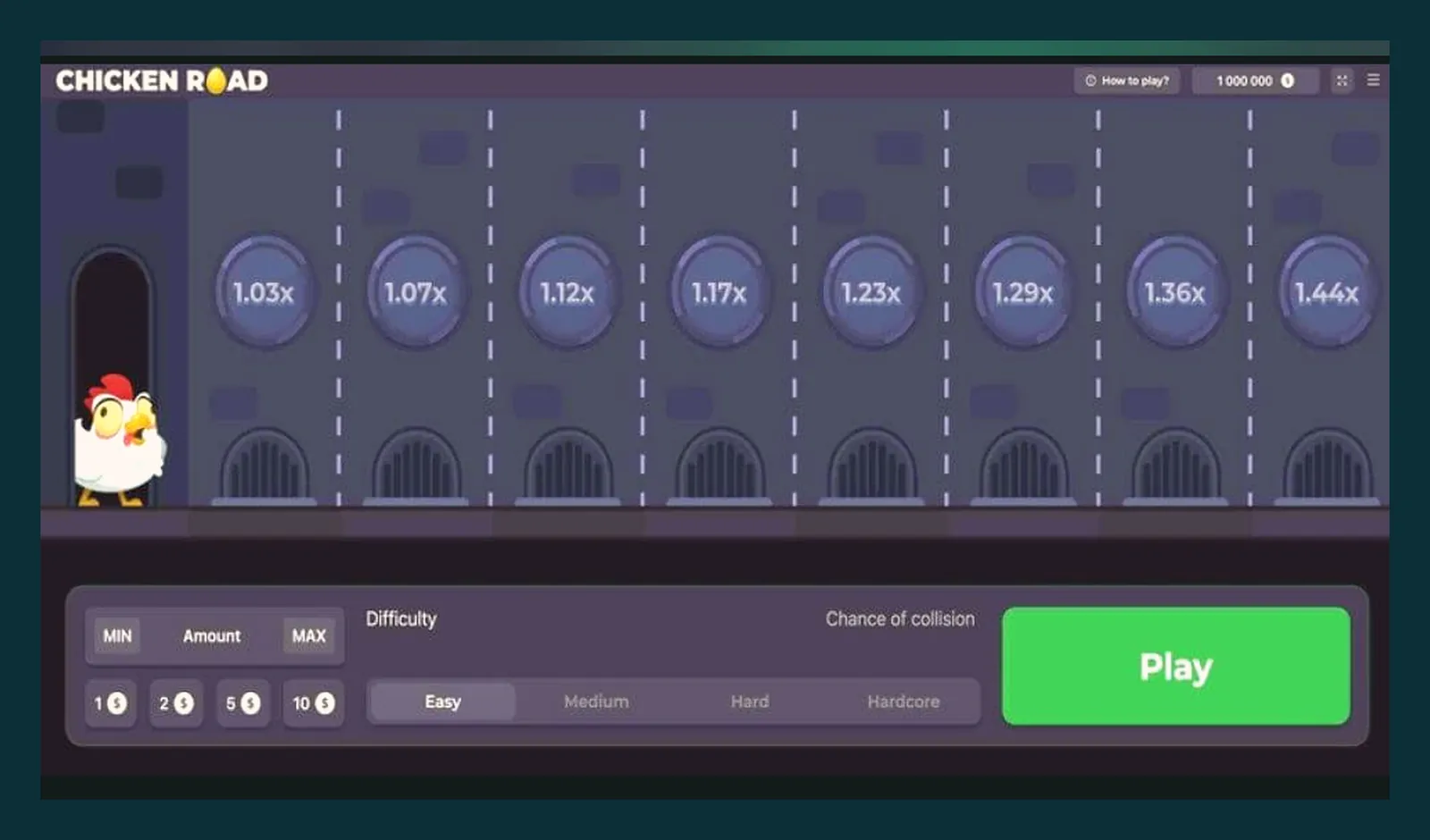
The £5 maximum stake per spin — and £2 for players aged 18 to 24 — changes how you approach any high-volatility game in the UK. Chicken Road 2 is a crash-style multiplier trail where one wrong step ends the round, so your bankroll drains faster than it would on a slot with the same stake cap. That ceiling means you cannot chase a loss by doubling up, and it forces you to plan the session size before you start.
This review walks through the maths, the mobile experience, how the game fits inside bonus terms at UKGC-licensed sites, and a stop rule that respects the volatility. If you are looking for a game that lets you control the pace and cash out early, Chicken Road 2 delivers that — but only if you accept that most rounds will end before the multiplier climbs high.
Who This Suits and Who Should Walk Past
Chicken Road 2 works for players who enjoy deciding when to stop each round rather than waiting for reels to land. The trail layout is clear on mobile, the cash-out button responds quickly, and you can play ten rounds in two minutes if you take early exits. It suits a small bankroll because the minimum stake is usually £0.10 or £0.20, and you control how far you push each round.
Skip it if you want a game that pays often enough to extend a session without manual intervention. High volatility means long gaps between wins, and the absence of a published RTP figure means you are flying blind on the house edge. If you prefer slots with a disclosed return percentage and bonus features that trigger on a schedule, this is not the right pick.
- Good for: players who like manual cash-out control, short rounds, and mobile play.
- Bad for: anyone seeking frequent small wins, disclosed RTP, or bonus rounds that arrive on a timer.
Scores and the Reasons Behind Them
The missing RTP is the biggest mark against it. Every UKGC-licensed slot discloses return percentage; many crash games do not, and Chicken Road 2 follows that pattern. You have no way to compare house edge across sites or know whether you are playing a 96% game or a 94% one.
Pace control is the standout strength. You can exit at 1.2× and protect a small profit, or wait for 5× and risk the round ending first. That flexibility suits players who hate watching reels spin when they already want to stop. The downside: high volatility means you will lose more rounds than you win, so the session swings harder than a medium-variance slot at the same stake.
What a Real Session Looks Like in Numbers
Take a £30 bankroll and a £0.50 stake. You have sixty rounds if you lose them all without a single win — unlikely, but the worst case. With high volatility, expect to lose eight or nine rounds in a row before a win lands. If you cash out early at 1.5× to 2×, you recover £0.75 to £1.00 per win. That covers one or two losing rounds, not eight.
The maths means your bankroll evaporates unless you hit a mid-range multiplier — 5× to 10× — every twenty or thirty rounds. Those wins are rare by design, so most sessions end in a net loss. The £5 cap stops you from raising the stake to chase that loss, which is a safety feature but also a constraint if you are used to adjusting bet size mid-session.
Mobile: Where the Game Actually Lives
Chicken Road 2 loads in a mobile browser in under three seconds on a 4G connection, and the layout adapts without squashing the grid or shrinking the cash-out button. The stake controls sit at the bottom, the multiplier trail fills the centre, and the button is thumb-sized. No app required — the web version runs in Safari or Chrome, and there is no difference in load time or responsiveness between iOS and Android.
The only mobile issue: if you are playing on a bus or in a queue, you will tap «cash out» by mistake when the vehicle jolts or someone bumps your hand. The button has no confirmation step, so an accidental exit ends the round at whatever multiplier you are on. That is a design choice — a confirmation screen would slow the pace — but it costs you when it happens during a promising round.
How It Fits Inside Bonus Terms at UK Sites
Most UKGC welcome offers exclude crash games or count them at 10% to 20% toward wagering. A £20 bonus with 35× wagering means you need to turn over £700. If Chicken Road 2 counts at 10%, you must wager £7,000 on this game to clear the same bonus. That is not realistic on a small bankroll.
Even when the game is included, high volatility makes playthrough harder. You need sustained wins to meet the requirement before the bonus expires, and Chicken Road 2 does not deliver sustained wins. Slots with medium volatility and 100% contribution are a better match for bonus funds. Examples of UK sites and their terms change month to month, so check the operator's bonus policy before you deposit — assume crash games are restricted unless stated otherwise.
Alternatives and When to Pick Them
| Game | Why choose it | Why skip it |
|---|---|---|
| Aviator | Published RTP (97%), smoother volatility curve, widely available on UK sites | Less pace control — the plane climbs on a timer, not your input |
| Plinko | Lower volatility, more frequent small wins, better for bonus playthrough | No manual stop — the ball drops and you wait for the result |
| Mines | You choose the risk level by selecting mine count, RTP disclosed on some sites | Slower pace — each click reveals one tile, so a full round takes longer |
| Space XY | Similar crash mechanic, often included in bonus terms at 50% contribution | Visual design is generic, mobile layout less polished than Chicken Road 2 |
Pick Aviator if you want a crash game with a known return percentage and a track record on UK sites. Choose Plinko or Mines if you are playing with bonus funds and need a game that counts more toward wagering. Stick with Chicken Road 2 if you value quick rounds and a clean mobile interface over maths transparency.
Player Opinions: What People Say, Not Proof of Payouts
These are opinions collected from forums and review threads. They reflect individual experiences, not verified payout data or statistical proof.
- «Cashed out at 12× once in fifty rounds, then lost the next thirty straight. The swings are brutal.» — reflects high volatility, not a fault unique to this game.
- «Mobile version is faster than Aviator on my phone, no lag when I hit the button.» — performance claim, not a statement about fairness or RTP.
- «Tried it with a £10 bonus, got nowhere because it only counted 10% and I ran out of time.» — common experience with bonus restrictions on crash games.
- «I like that I can stop early and take £0.20 profit instead of waiting for a big win that never comes.» — highlights pace control, which is the game's main appeal.
- «No RTP shown anywhere, so I have no idea if the site is running it at 95% or 92%.» — valid concern; transparency gap is real.
- «Lost £25 in ten minutes because I kept chasing the last loss. The £5 cap saved me from going higher.» — stake limit working as intended, preventing escalation.
FAQ
Can I play Chicken Road 2 in demo mode before I deposit?
Many UKGC sites offer demo play, but you usually need to register and verify your age first — that is a regulatory requirement to prevent under-18 access. Once logged in, look for a «demo» or «free play» toggle on the game page. Not every operator provides demo access for crash games, so if it is not available, you will need to deposit and play at the minimum stake to test it.
Why is the RTP not published for Chicken Road 2?
Crash games often do not disclose RTP the way slots do, even on licensed sites. The UKGC does not mandate RTP publication for every game type, only that the operator holds a valid licence and follows fairness standards. The missing figure means you cannot compare house edge across sites or verify that you are playing the best version. If RTP transparency matters to you, choose a game that publishes it.
Does the £5 stake cap apply to every round?
Yes. The £5 maximum stake per spin applies to all online slots and casino games at UKGC-licensed sites, including crash games like Chicken Road 2. If you are aged 18 to 24, the cap drops to £2. The operator enforces this automatically — you cannot override it or request a higher limit. The cap is in place to slow the rate of loss, not to punish players.
How does affordability checking affect my session?
Once your net deposits reach £150 in a calendar month, the operator will run a soft credit-reference check to assess whether you can afford the spending. This is a UKGC rule introduced to identify problem gambling early. If the check raises concerns, the site may limit your deposits or ask for income evidence. It does not affect gameplay directly, but it can pause your ability to top up mid-session if you hit the threshold.